
Should Everyone Get Magic Powers?
Fable 5, AI, and questions of power

Last Friday evening, the U.S. government ordered Anthropic to suspend access to it’s brand new models, Fable 5 and Mythos 5, for foreign nationals, because of national security concerns. Anthropic responded by disabling both models for all customers.
I was in the middle of testing Fable 5 when it happened, using it to edit an app my team has been building, and it was fast, and surprisingly good. The experience was the best I’ve had from an AI coding tool so far (Full disclosure: I am a mere vibe coder, not an engineer).
It felt almost magical.
Abracadabra is often translated as “I create as I speak.”
When you use AI, you describe what you want in plain language, and boom.
Something appears.
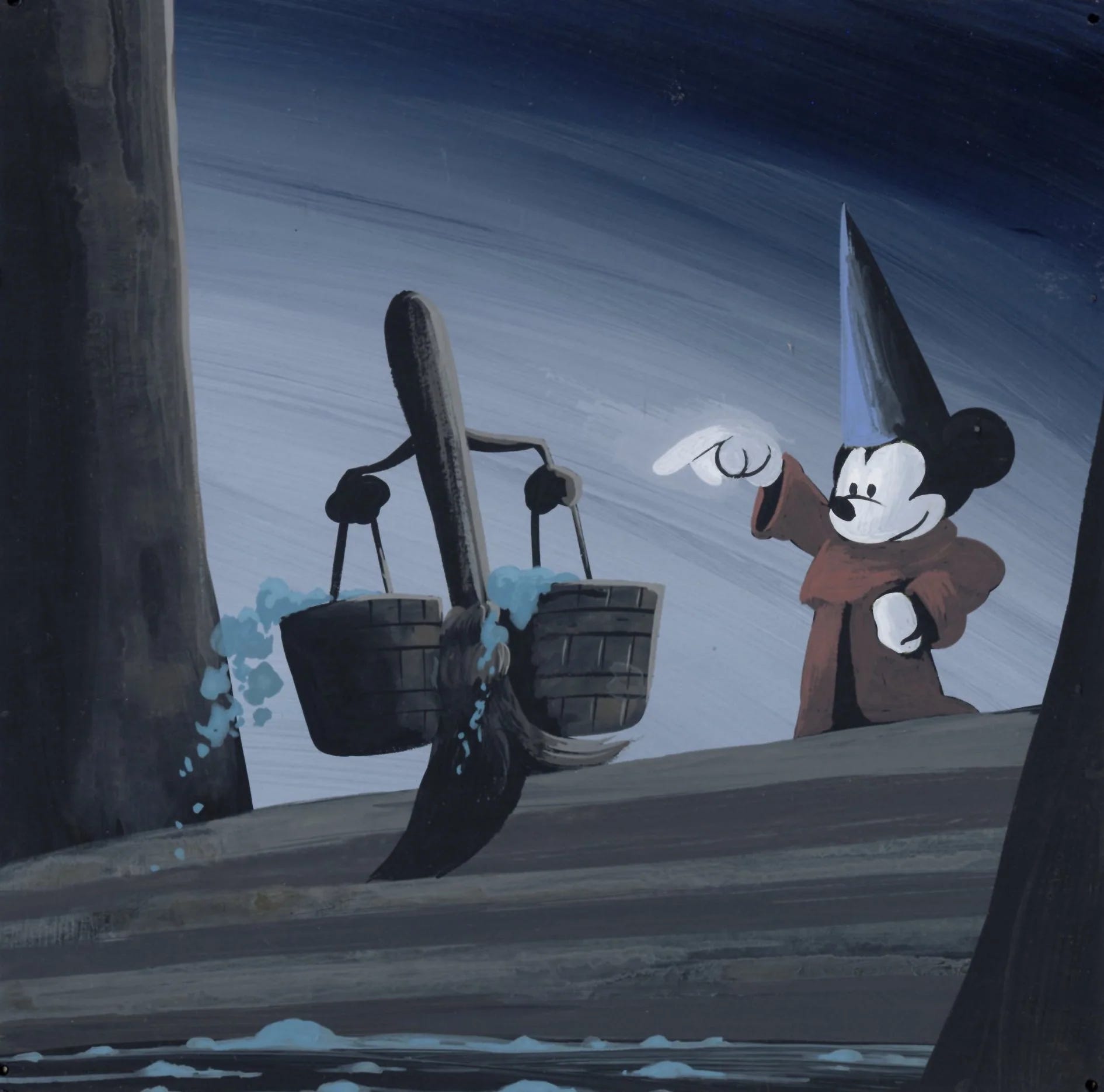
That “something” that comes out may be slop, or many iterations from what you had in mind.
But as these models improve, the distance between your imagination and the reality starts to shrink.
An hour into my working session, this screen popped up:
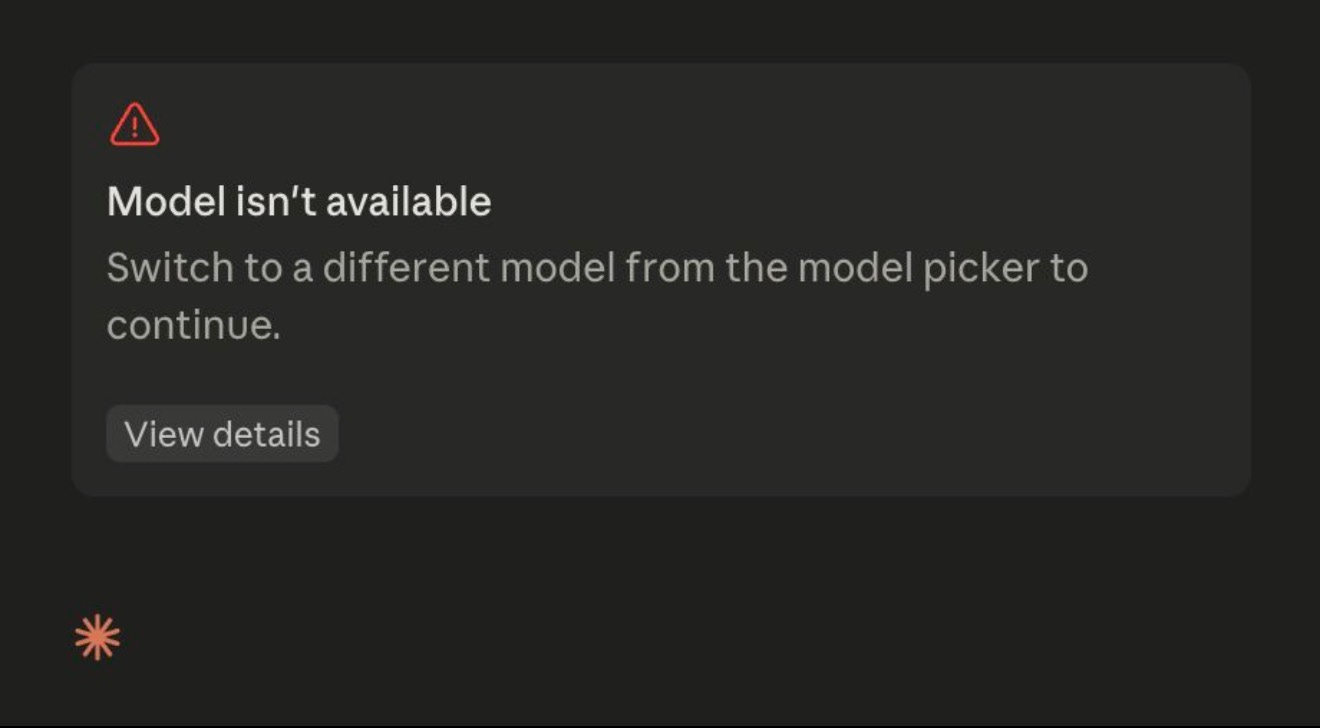
The decision to remove access upset many people who saw it as too opaque and abrupt. Some were mad at the government: The process to regulate access should be transparent and democratic.
Others argued Anthropic had invited this action by warning that models like these are too dangerous in the wrong hands and should be regulated.
As of today, five days later, we’re still blocked from using them.
Regardless of how this particular situation plays out, this will not be the last time we have arguments about access to frontier AI models.
This is because its really a question about power.
If something is incredibly powerful, should everyone have it? Or only a select few?
And if only a select few, who decides this?
Some people say advanced AI is more like a nuclear weapon, so powerful that unrestricted access unacceptable risks.
Others argue AI is more like electricity or the internet that create public benefit when widely distributed.
That is what makes the access question so difficult.
If you restrict AI too much, you may also limit breakthroughs in science, medicine, education, and other fields. A model that can help someone understand dangerous biology can also help a researcher discover a new treatment.
This is also true in cybersecurity, where the same thing can be used to attack a system or strengthen it.
In an open letter, more than 50 cybersecurity leaders argued that the Fable and Mythos restrictions should be lifted, warning that taking these capabilities away from defenders could make the cybersecurity ecosystem less secure and give other countries an edge.
It’s hard to govern a technology where the positive and dangerous uses are so intertwined.
This tension between freedom and security is not new.
In the United States, we have argued about it for centuries through the Second Amendment: When a tool gives people power, does restricting it make society safer, or concentrate too much authority in the hands of the state?
The debate does not have to collapse into the binaries of “open everything” or “lock everything down.” There are other ways to think about access to AI systems:
Credentialed access gives more power to people working in sensitive fields, such as cybersecurity or biology, when they can show they are using it for legitimate research, defense, or public benefit.
Independent audits and capability evaluations put checks on the companies building these systems, so the labs are not the only ones deciding how powerful a model is, what risks it creates, or whether it is safe to release.
Public-interest access tries to prevent AI power from going only to governments, corporations, and wealthy institutions.
Open-source and open-weight models create a more open market of models. Some may have stronger safety practices embedded, and some may not. Over time, the safest and most useful systems may be more likely to win trust and adoption.
All of these proposals come with their own risks and challenges.
In the end, these questions also come down to an even deeper ones about human nature. The models at the center of this debate were called Mythos and Fable, after all.
Do we trust humanity to wield power? We’ve explored this question in myths countless times.
In Star Wars, the force can protect or destroy depending on the person who wields it.
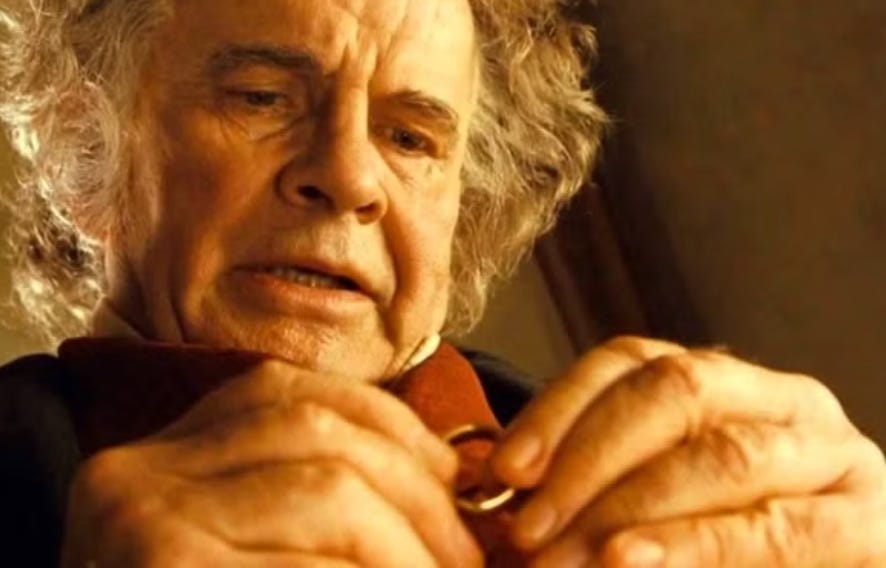
Lord of the Rings tells us that the One Ring is corrupting it cannot be safely used, even by the good side.
Harry Potter says that education is essential for us to wield magic safely.
The Sorcerer’s Apprentice reminds us that danger comes from a lack of understanding combined with ego.
We might have something to learn from all of these stories.
AI will open up extraordinary powers: to build, discover, create, and act in the world in ways we can’t fully imagine.
But the power to bestow power is also power.
The responsibility to decide who gets access to AI cannot belong only to private labs, government agencies, or national security officials behind closed doors.
As AI starts to feel more like magic, the authority to grant or restrict that power needs checks of its own.
I love this, Tess! I was literally just writing about AI, Disney, curiosity, and imagination as your Substack came through. There is an element of magic and wonder about AI that I love. But sometimes these magic shows feel more like a narrative from The Wizard of Oz. Every day, we wonder, "Which wizard is trying to orchestrate behind the scenes now???" As playful as the byproducts might be, the power dynamic is real and the downstream effects on humanity are sobering. I'm a big believer that we, in the audience, need to become SuperThinkers, simultaneously raising our voices to be students, explorers, critics, voices of reason, guardians, and stewards of this story....precisely because it's not a Fable--it's real.